
Spring Ephemerals and Early Native Blooms
As the world begins to wake up in the spring, the early risers have an especially important role. These first flowers of the season, known as spring ephemerals, sprout soon after the ground thaws, offering pollinators their first taste of pollen after a long hibernation or far migratory journey. You may be familiar with ephemeral species like daffodils, crocuses, hyacinths, and tulips, though none of these plants are native to the Americas, let alone Minnesota! If you keep your eyes open in woodlands and prairies this spring, you’ll be sure to find some of our beautiful native spring ephemerals and early native blooms, hard at work sustaining the early growing season. Here are a few of our favorites to look out for:
Found in prairies
Pasqueflower, Anemone patens
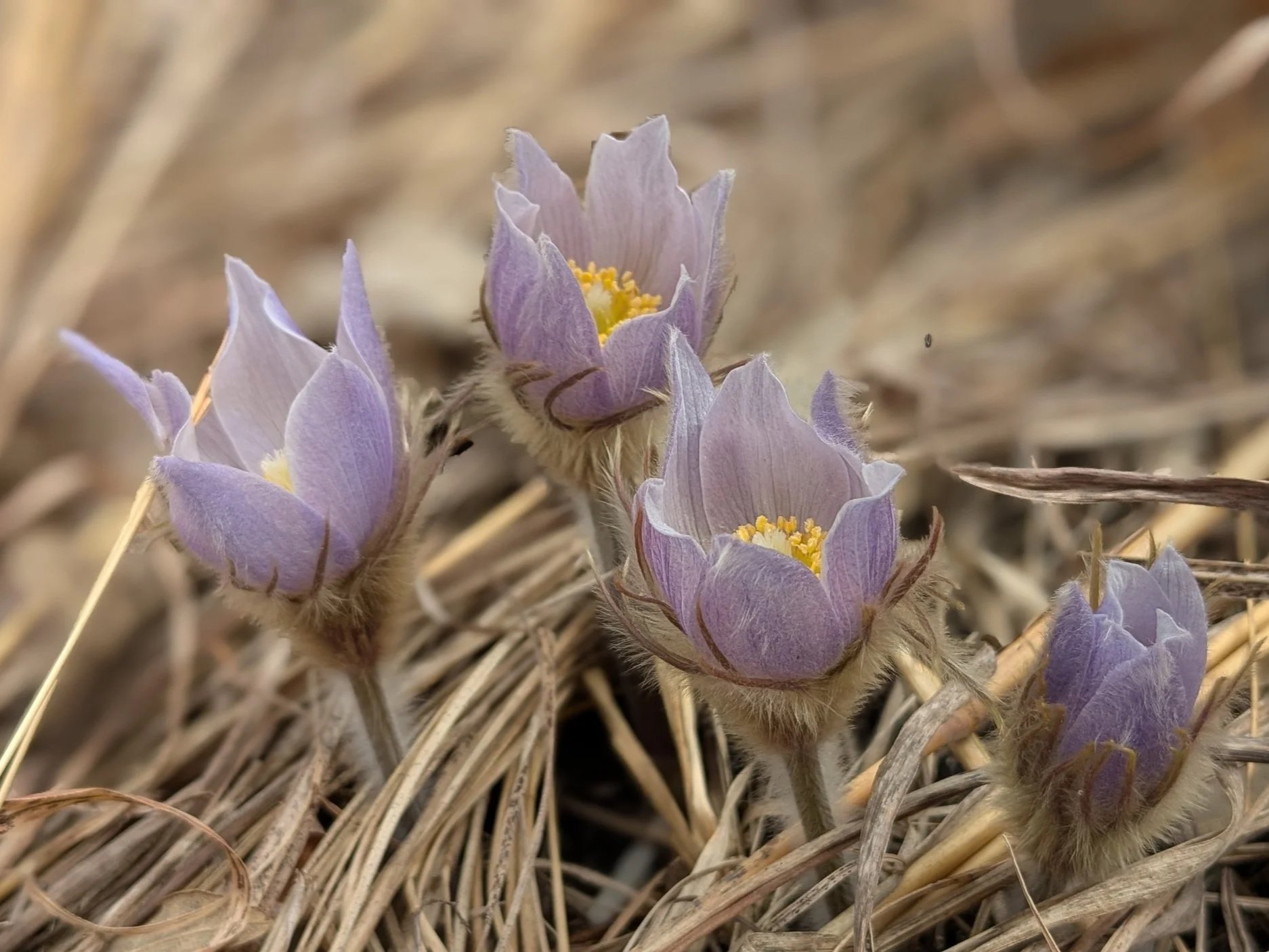
Also called: Prairie Crocus, Cutleaf Anemone
Among the first ephemerals to bloom, you can spot these flowers as early as March and as late as May. When walking through prairie or open woods, keep your eyes out for light purple petals, bright yellow stamens, and a fuzzy stalk.
Ground plum, Astragalus crassicarpus
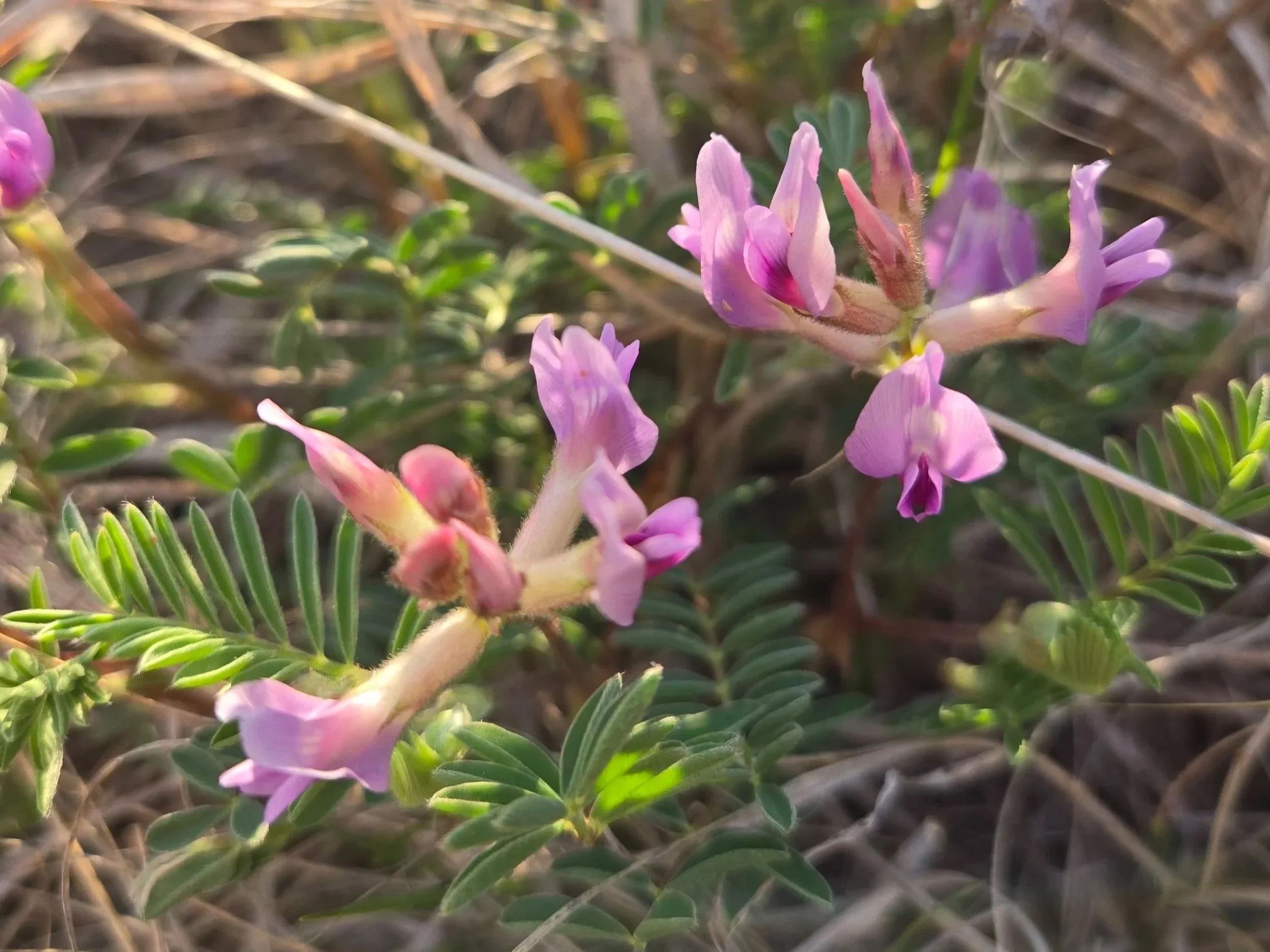
Also called: Ptetháwote, Prairie Plum, Groundplum Milkvetch, Buffalo Bean
A member of the pea family, these sweet purple flowers bloom in April-May and produce a round fruit when pollinated. This is where the Dakota name “Ptetháwote” comes from, meaning “food of the buffalo” (American bison). Bison aside, the flowers and fruit are loved by pollinators and prairie dwellers alike in the dry prairies where they’re found.
Prairie Buttercup, Ranunculus rhomboideus
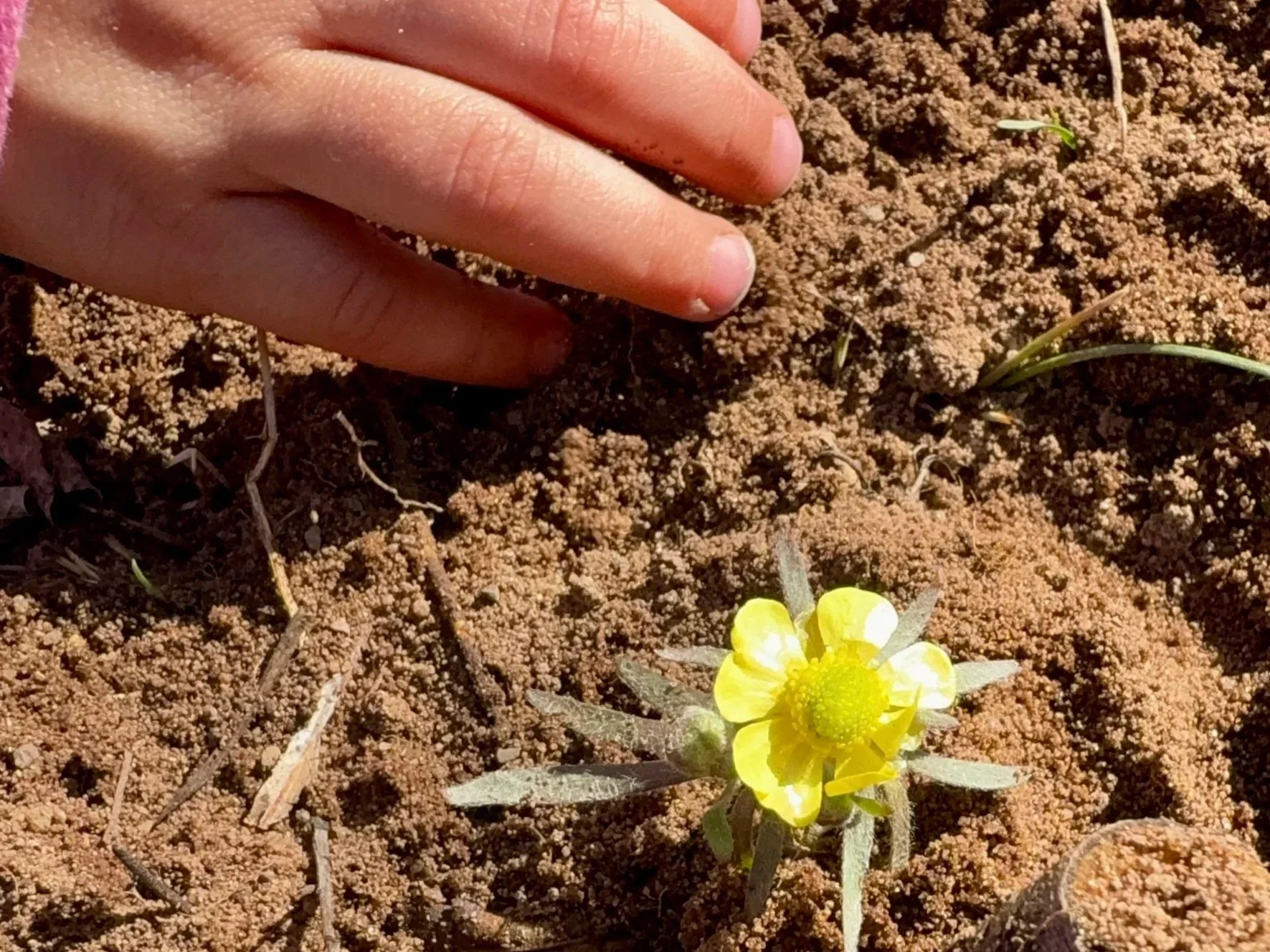
Also called: Labrador Buttercup, Prairie Crowfoot
These charming yellow flowers have 5 to 8 petals, perched on a fuzzy stem. Blooming in April and May, Prairie Buttercup is most often found in dry prairies and open woods.
Found in wet places and near water
Skunk cabbage, Symplocarpus foetidus
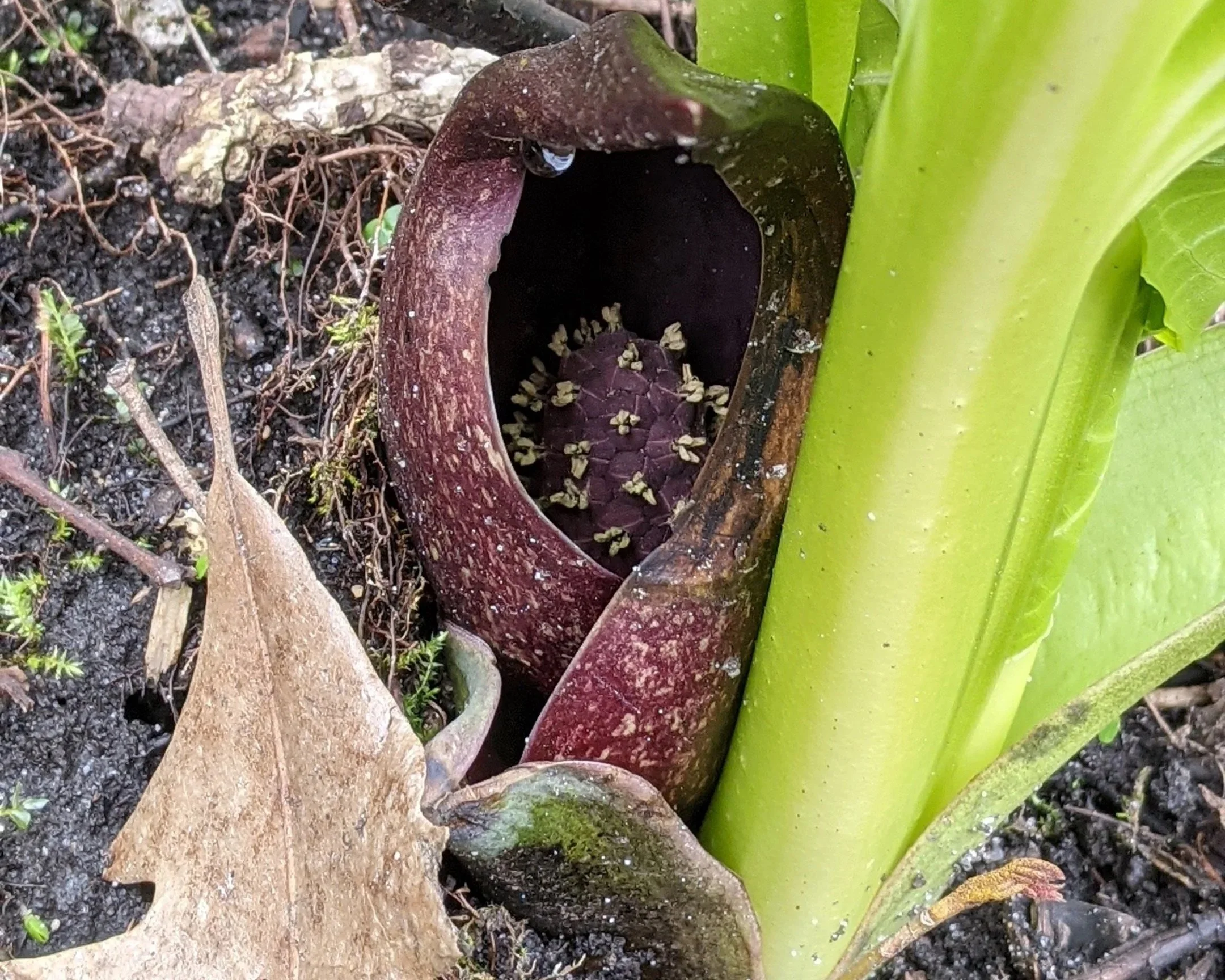
Also called: Swamp Cabbage
One of the earliest blooms of the season, Skunk Cabbage can be seen as early as February, but more commonly found in March-May. You’ll be sure it’s Skunk Cabbage if you smell a funky aroma, which it uses to attract flies.
Yellow trout lily, Erythronium americanum
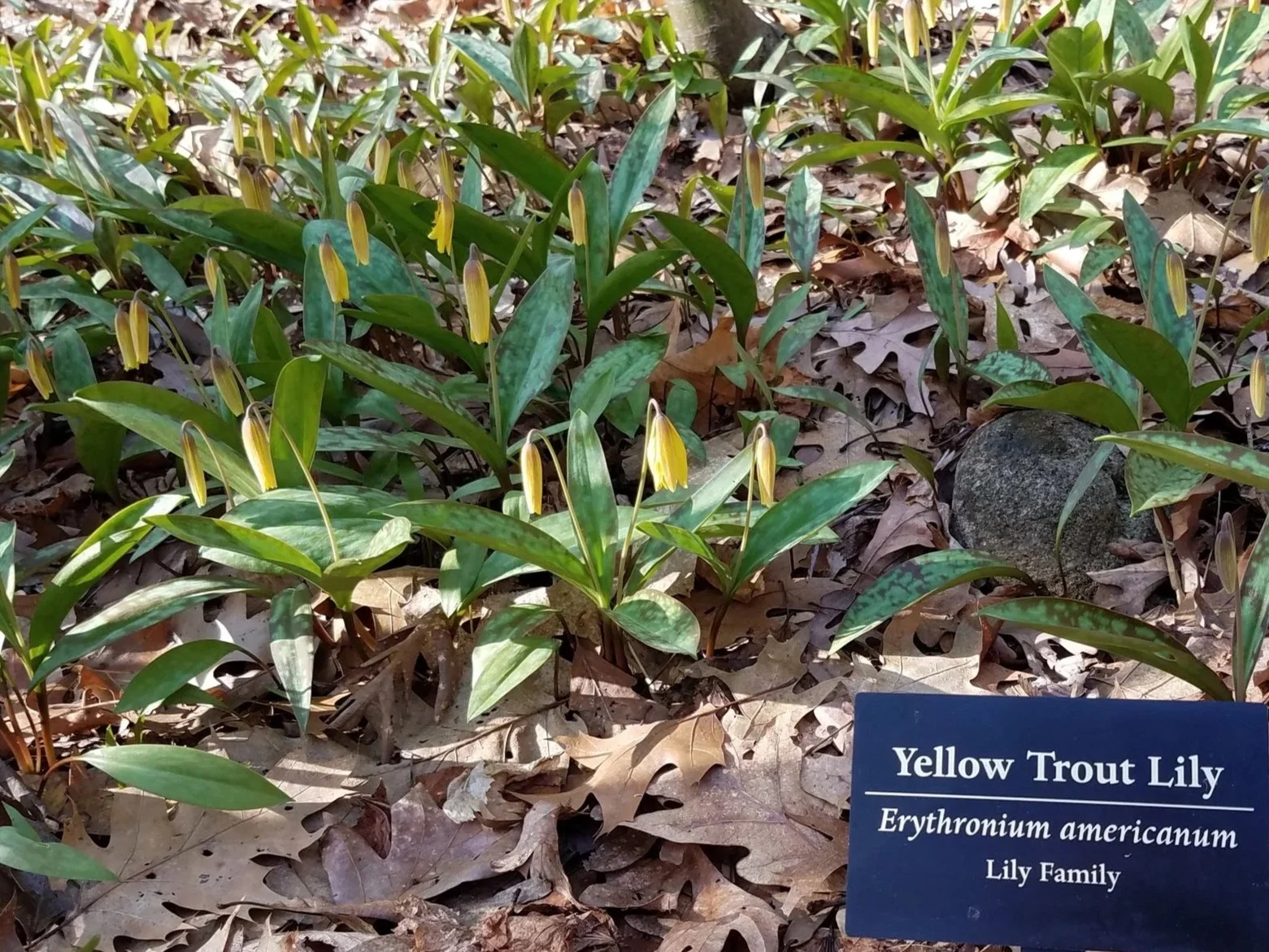
Also called: Yellow Adder's-tongue, Dogtooth Violet
Hard to mistake, with striking yellow flowers and mottled green and reddish-purple leaves, you can find these dainty beauties blooming in April-May in damp woods and along streams.
Jack-in-the-pulpit, Arisaema triphyllum
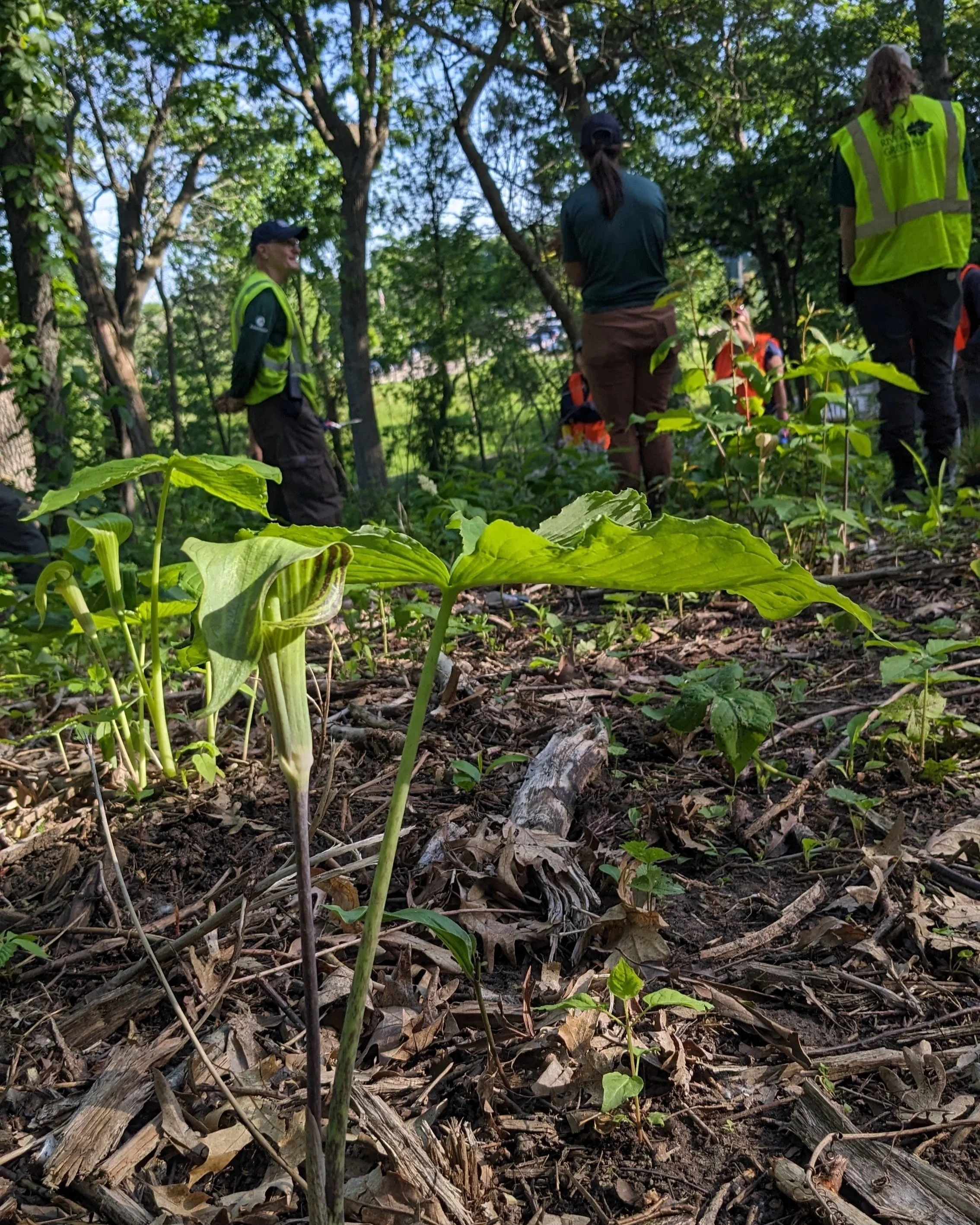
Found in seasonally wet areas this unique plant is characterized by its deep cone-like blossom, with its “Jack” (the spathe) and its “pulpit” (the overhanging hood).
Virginia Bluebells, Mertensia virginica
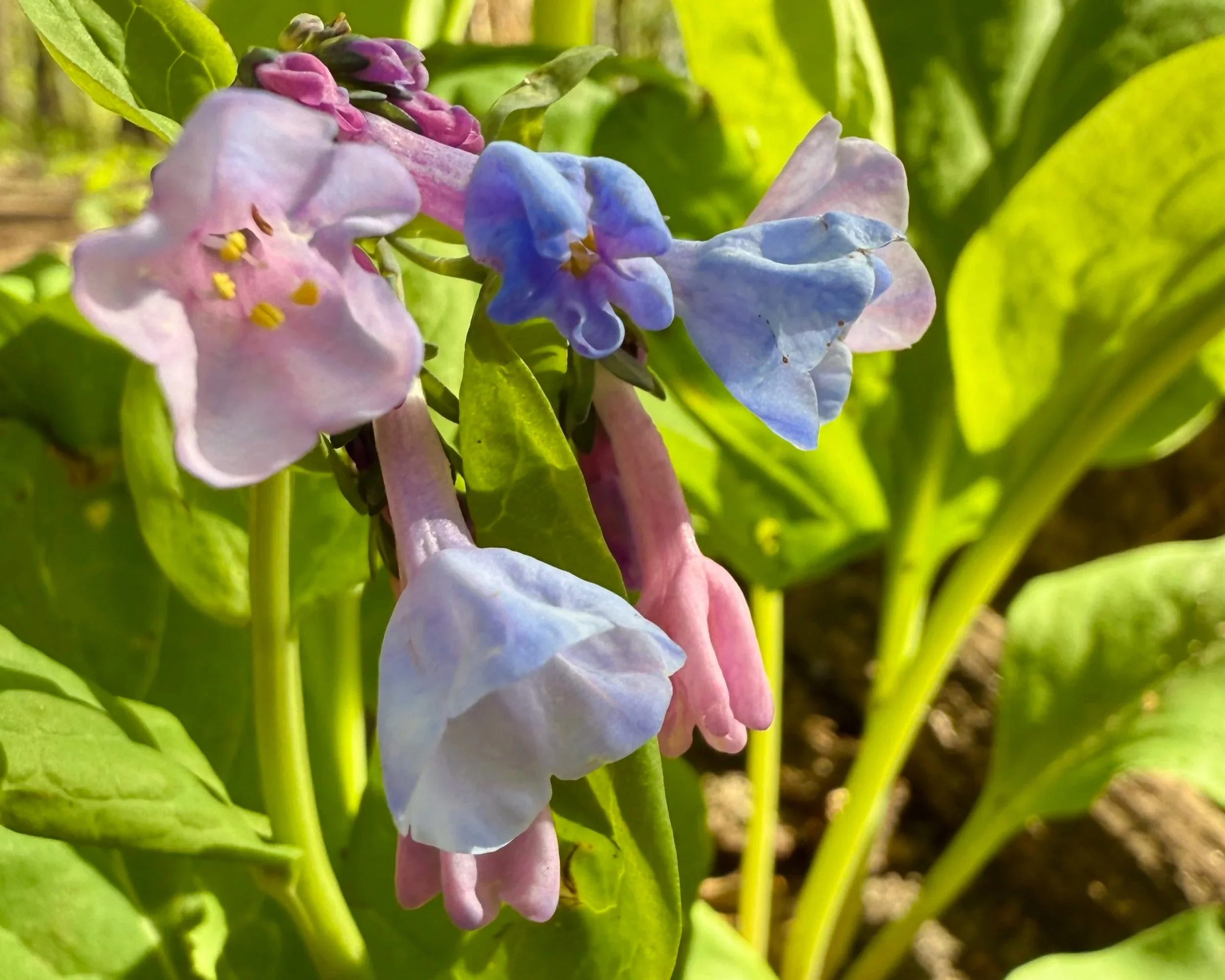
Also called: Virginia Cowslip, Virginia Lungwort.
Striking trumpet-shaped flowers in blueish purple adorn the short stalks of the Virginia Bluebell. You can spot these in floodplains and damp woods as early as April and as late as June.
Found in woodlands
Snow trillium, Trillium nivale
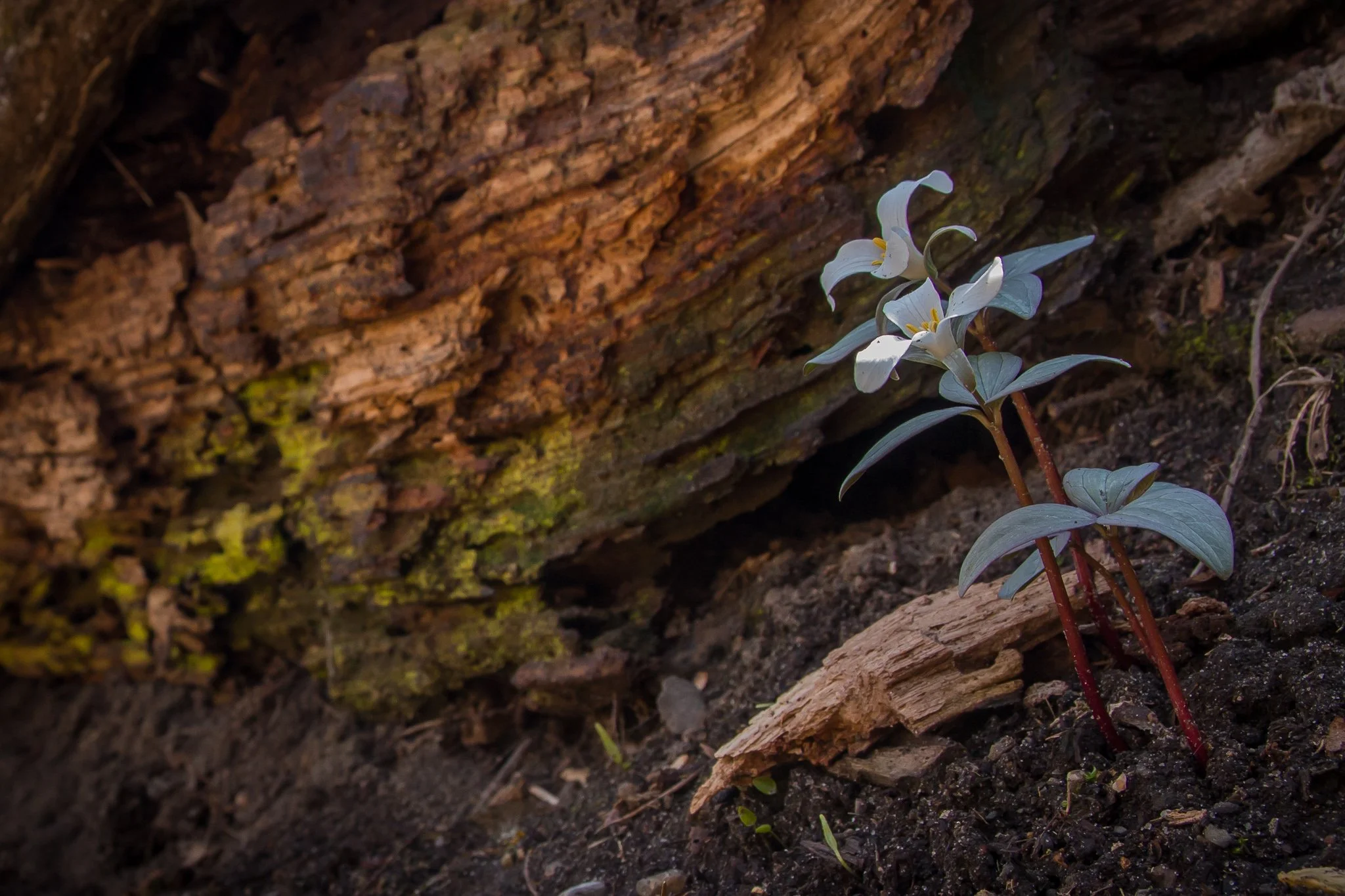
Also called: Dwarf White Trillium, Dwarf White Wake-robin
Listed as a Special Concern species in Minnesota in 1984, these white three-leaved blooms are harder to come by due to factors like invasive species.
Rue Anemone, Thalictrum thalictroides
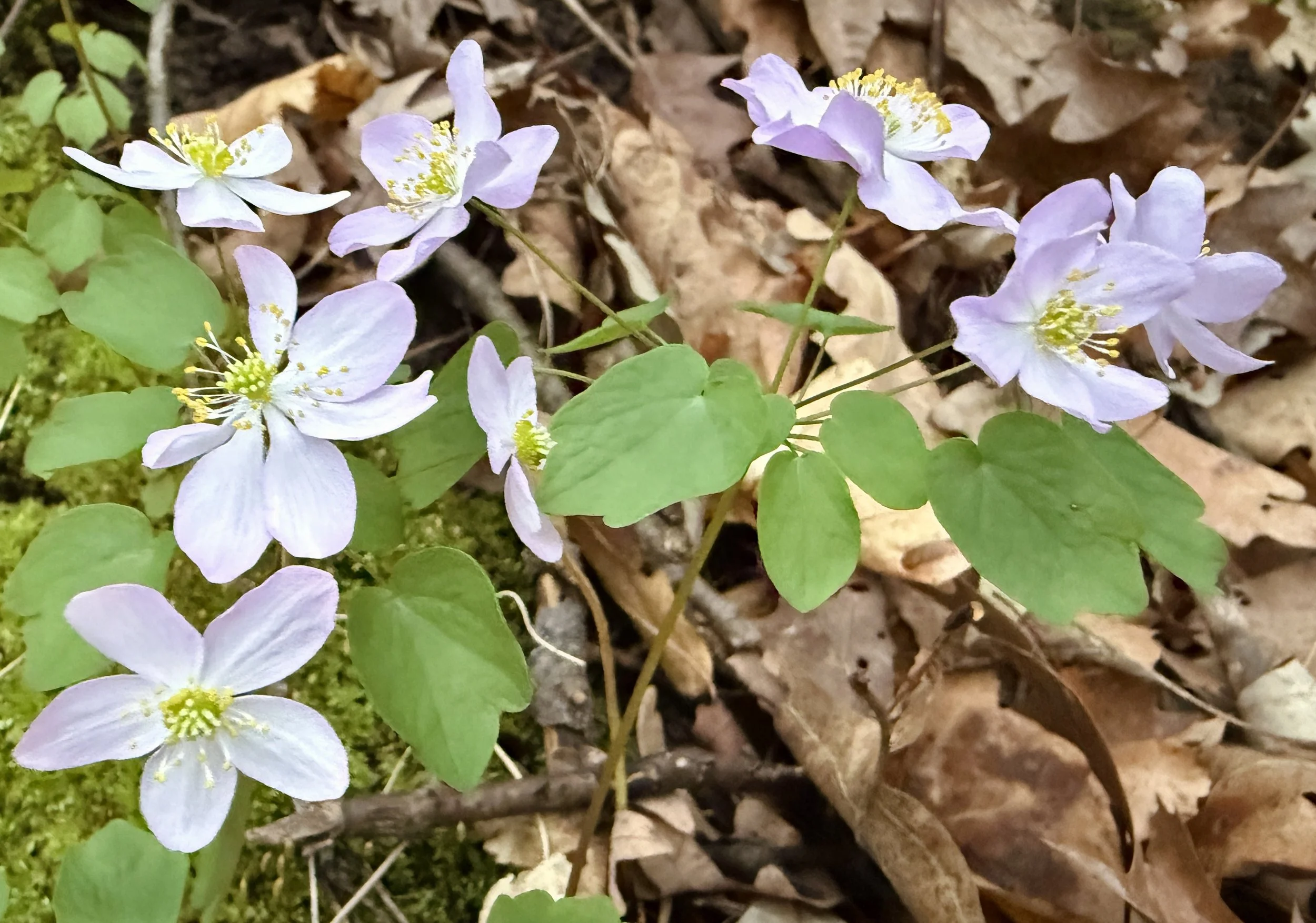
Also called: Windflower, Meadowrue
These dainty flowers can be white or pink and are accompanied by three-lobed leaflets. You can spot these delicate beauties in woodlands in the Southeast part of the state.
Bloodroot, Sanguinaria canadensis
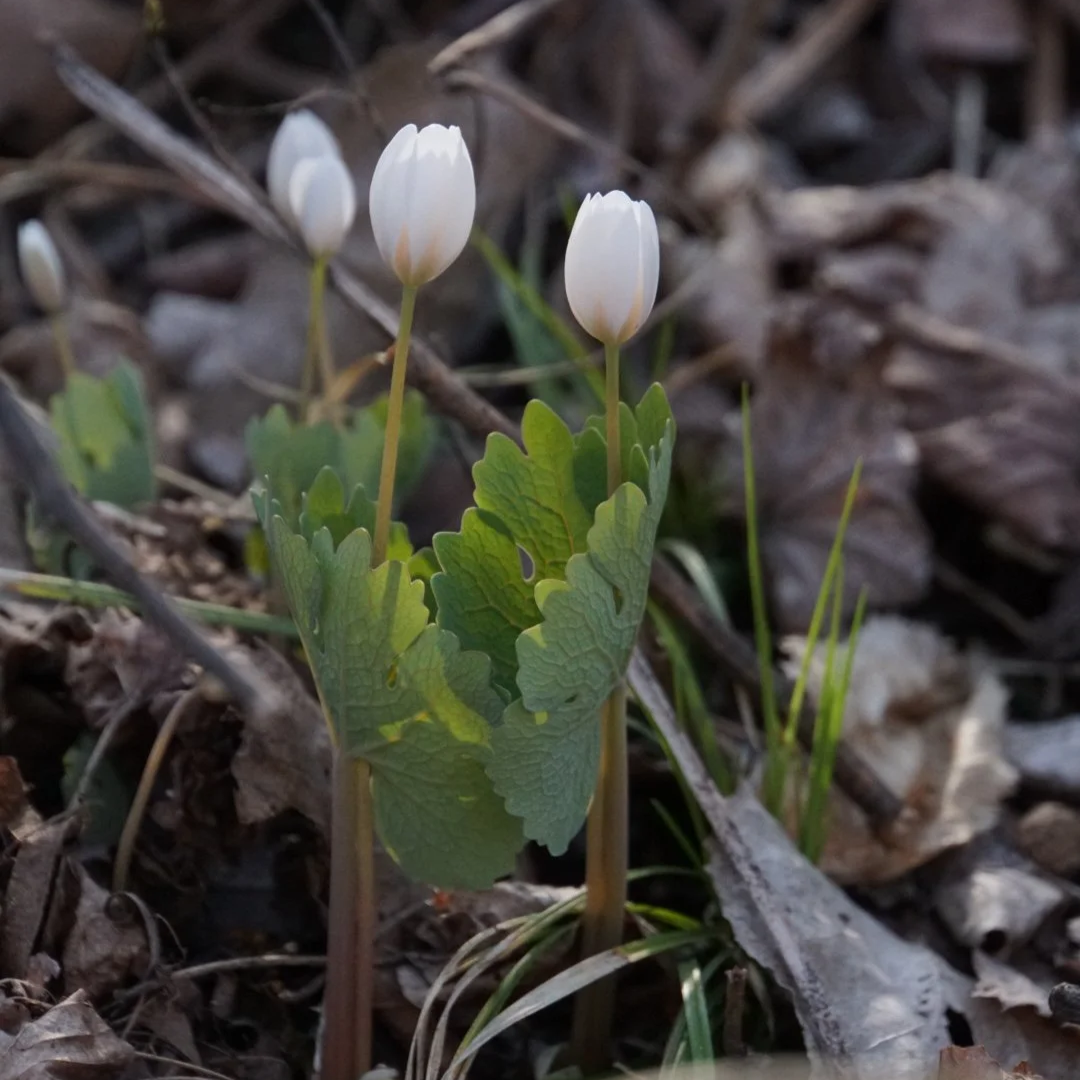
Also called: Redroot, Red Puccoon
Named for the orange/red sap that bleeds when leaves or stems are damaged, this early spring flower can be spotted March-May across the state. Be sure to keep an eye out when you see little white buds wrapped in lobed leaves springing from the ground— these beauties only bloom for a couple of days.
Invasives and Non-Natives
Siberian Squill, Scilla siberica
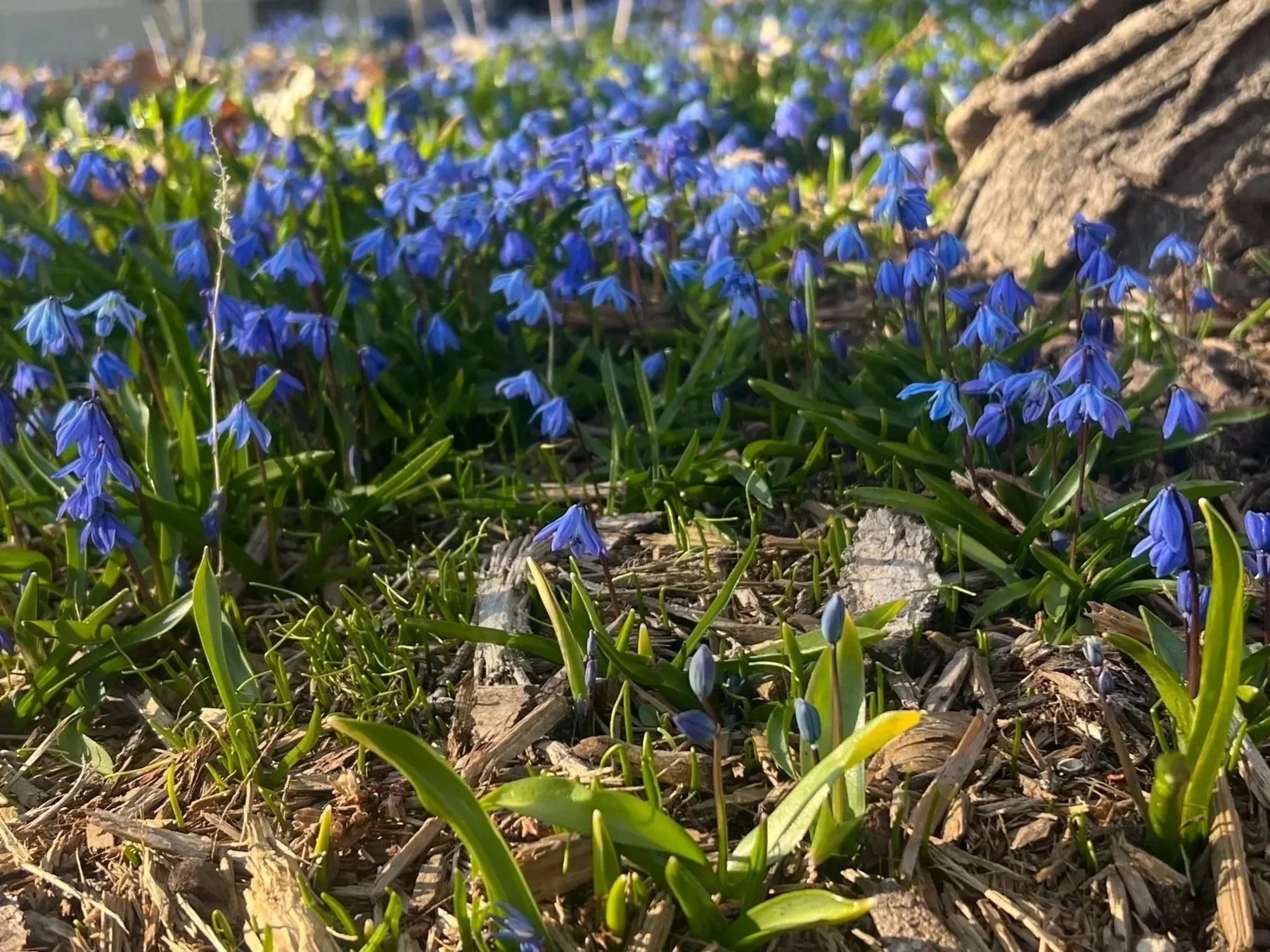
Also called: Wood squill
Although not officially listed as an invasive species by the Minnesota DNR, squill is a hardy, rapidly spreading species native to Eurasia. Don’t be fooled by their striking blue flowers— they may be beautiful, but they’re a danger to our ecosystems. If squill makes its way into your yard, we recommend removing it, ensuring to dig down and remove the bulb.
Garlic Mustard, Alliaria petiolata
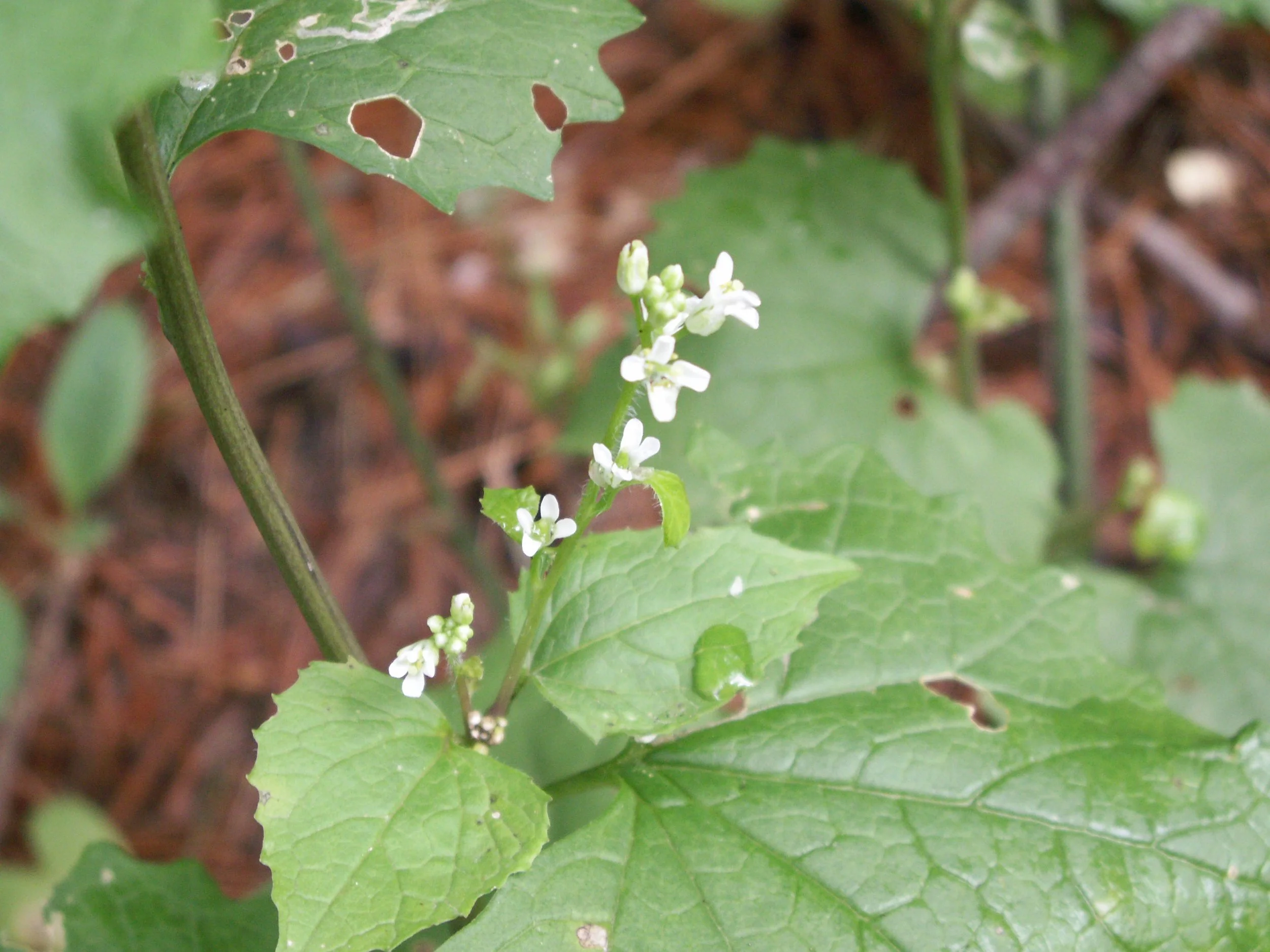
Also called: Garlic Root, Hedge Garlic, Sauce-Alone, Jack-in-the-bush, Penny Hedge
Blooming early in spring gives Garlic Mustard a headstart over many species, helping the species crowd out and outcompete native plants. If you see these petite four-petaled flowers on your land, along with their triangular leaves that smell like garlic when crushed, you should remove the plant promptly.
Goutweed, Aegopodium podagraria
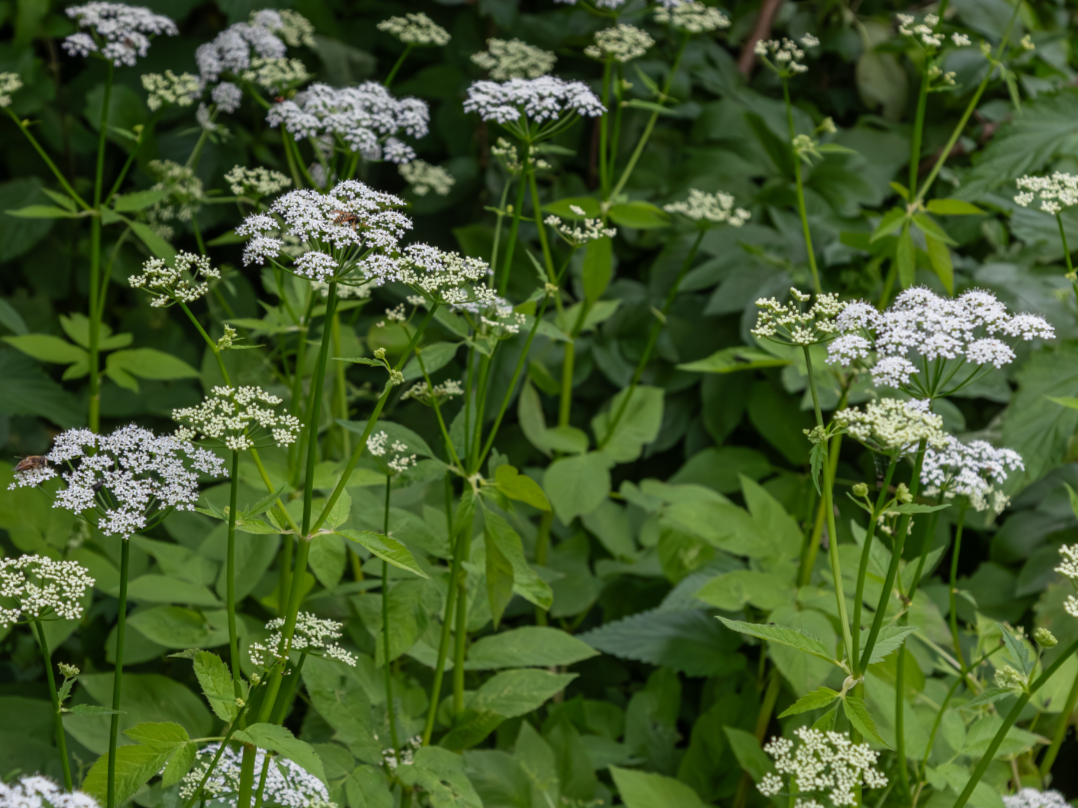
Also called: Bishop's Goutweed, Snow-on-the-mountain
Found commonly as a garden ornamental, goutweed is known to spread outside of areas where it is cultivated. Though not yet common in Minnesota’s wild areas, this aggressive plant has the potential to outcompete native species due to rigorous growth and adaptability.
Hunting for the first flowers of spring is one of the great joys of the season, but the surest way to see all of these spring blooms year after year is to plant them in your yard! Local native suppliers like MNL, Prairie Nursery, and Prairie Moon Nursery are great places to start your native spring garden.