

Farm and Agricultural Lands
Bridging agricultural and natural lands with regenerative agricultural practices
Great River Greening's work in Southern Minnesota focuses on sustainable agriculture. Through partnerships, educational events, and relationship building, we confront rural water quality issues, erosion concerns, invasive species management, soil health, and biodiversity while also thinking about the economic needs of our local producers.
In our outreach to farmers in Minnesota, we promote practical, accessible tools and approaches, like woodchip bioreactors, cover crops, perennial crops, wetland restorations, and nutrient management.
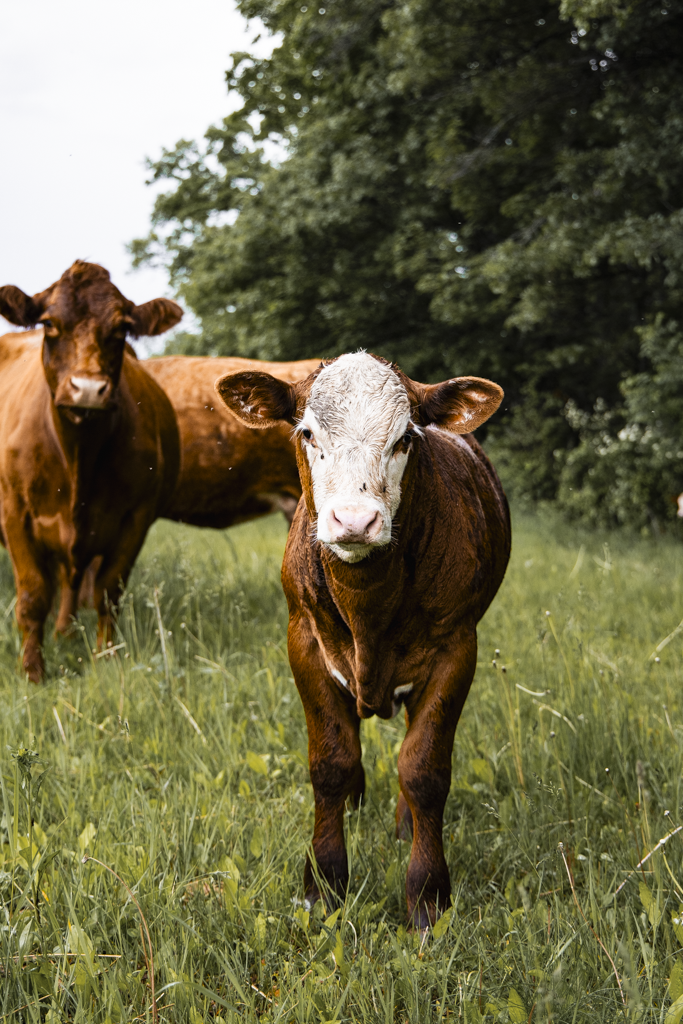
Method of using livestock as a management tool for controlling brush and other invasive species. Great for woody invasive management, thinning of brush canopy cover to promote ground forage, and improve livestock wellness during weather extremes. Learn about our silvopasture work.
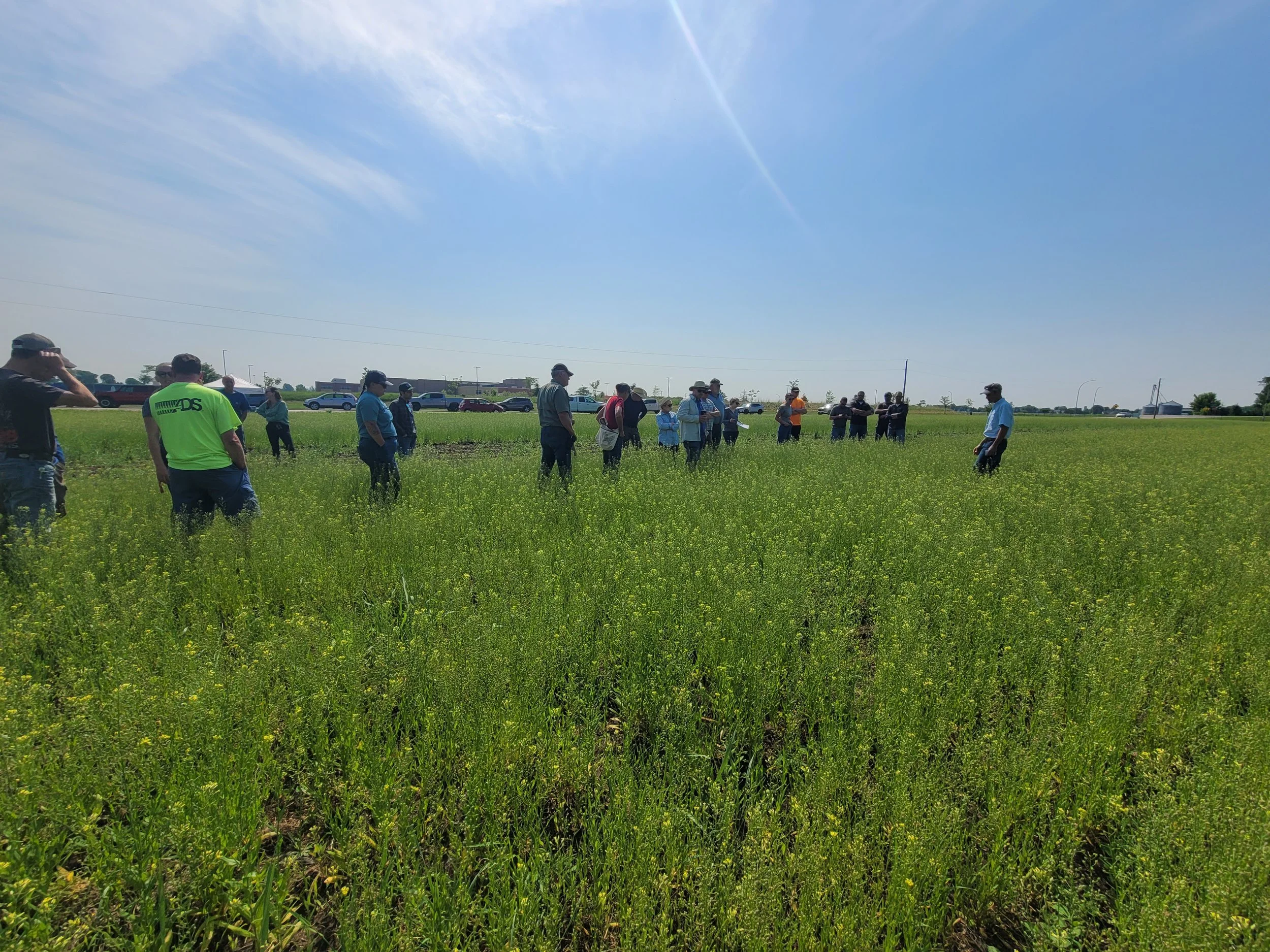
Soil Health
Promoting soil health through Continuous Living Cover Crops (CLCs), nutrient management, and alternative tilling practices. Our work includes winter camelina, winter rye, and winter wheat varieties.

Silvopasture
Cultivating perennial grains
Collaborating with the Land Institute and University of Minnesota’s Forever Green Initiative, our work with Kernza® comprises technical assistance with planting and harvesting, research into supply chain development from cleaning and milling, and end user development with public engagement and education. Learn more about our work with Kernza.

Conservation Easements
RIM (Reinvest In Minnesota) easements provide wildlife habitat, reduce erosion, improve water quality, store carbon, and increase biodiversity across the landscape. Financial compensation offered through easement programs can be very important where marginal croplands are making farming unprofitable. Learn more about RIM easements.
Are you a farmer looking for more information? Click the button below to fill out the questionnaire for a free on-farm consultation from a Great River Greening agriculture specialist.
More questions? Contact our Regenerative Agriculture team:
-

Jennifer Grommes
Program Manager, Southern Minnesota
-

Jessica Barbosa Oliveira
Conservation Agronomist
-

Ben Boo
Conservation & Agriculture Specialist

FAQs
-
The five main components of regenerative agriculture include:
o Minimizing Soil Disturbance: Reducing tillage and mechanical disruption to maintain soil structure and health.
o Maximizing Crop Diversity: Growing a variety of crops to enhance soil health and ecosystem resilience.
o Keeping the Soil Covered: Using cover crops or mulches to protect the soil from erosion and retain moisture.
o Maintaining Living Roots Year-Round: Ensuring that soil is continuously covered with living plants to improve soil structure and fertility.
o Integrating Livestock: Incorporating livestock into farming systems, such as through silvopasture, to enhance nutrient cycling and land management.
Learn more about how these practices can improve soil health in our blog post "Soil is Vital".
-
· Sustainable agriculture aims to minimize the negative impact on the environment while maintaining productivity. It focuses on practices like no-till or strip tilling, which reduce soil disturbance and limit the extraction of nutrients and other resources.
· Regenerative agriculture goes beyond sustainability by actively restoring and enhancing soil health and ecosystem function. It incorporates practices such as growing perennial crops, increasing biodiversity, and using holistic approaches to rebuild soil nutrients and improve resilience. This approach addresses the degradation caused by centuries of intensive farming and aims to regenerate the land.
· Conventional Farming: Conventional farming typically relies on practices that maximize short-term yields, often through high inputs of synthetic fertilizers and pesticides, and frequent tillage. These methods can lead to soil degradation, loss of soil fertility, and reduced biodiversity over time.
-
· Regenerative agriculture enhances soil health, promotes biodiversity, and sequesters carbon, leading to improved resilience to climate change.
· By fostering healthier soils and ecosystems, regenerative agriculture can mitigate soil erosion, water pollution, and greenhouse gas emissions, contributing to overall environmental sustainability.
-
· Regenerative agriculture practices significantly enhance soil health and water quality by minimizing soil disturbance and keeping the soil covered. Continuous living cover crops, such as Kernza ® keep soil covered year round and improve water quality through their long and dense root structure.
-
Yes, there are several economic advantages to adopting regenerative agriculture practices:
o Reduced Input Costs: Regenerative agriculture focuses on creating a self-sustaining system that cycles nutrients naturally. This reduces the need for external inputs such as synthetic fertilizers and pesticides, leading to cost savings for farmers.
o Improved Soil Health: Healthier soil enhances crop productivity and resilience, potentially leading to higher yields and reduced crop failures. Over time, this can improve profitability and reduce the need for costly soil amendments.
o Enhanced Resource Efficiency: By improving water retention and reducing soil erosion, regenerative practices can lead to more efficient use of water and other resources, lowering operational costs.
o Increased Market Opportunities: Regenerative farming practices can attract premium markets and consumers interested in sustainably produced goods. This can open up new revenue streams and enhance market competitiveness.
o Investment in Local Economy: Regenerative agriculture often involves local inputs and services, contributing to the local economy. By building soil health and reducing dependency on external resources, farmers can support local businesses and create economic benefits for their communities.
-
· Buy Local Products: Support local farmers and businesses that practice regenerative agriculture by purchasing locally grown produce, meats, and other products. This helps create demand for sustainable farming practices and strengthens the local economy. Switching out mass produced flour (traditional farming methods) for products with locally sourced grains.
· Choose Regenerative Products: Opt for products made from regenerative practices, such as flour from locally sourced grains, or other goods that highlight sustainable farming methods. Look for certifications or labels that indicate regenerative or sustainable practices.
· Educate Yourself and Others: Learn about regenerative agriculture and its benefits. Share this knowledge with friends, family, and community members to raise awareness and encourage more widespread support.
By taking these steps, individuals can contribute to the growth and success of regenerative agriculture, fostering a more sustainable and resilient food system in their communities.